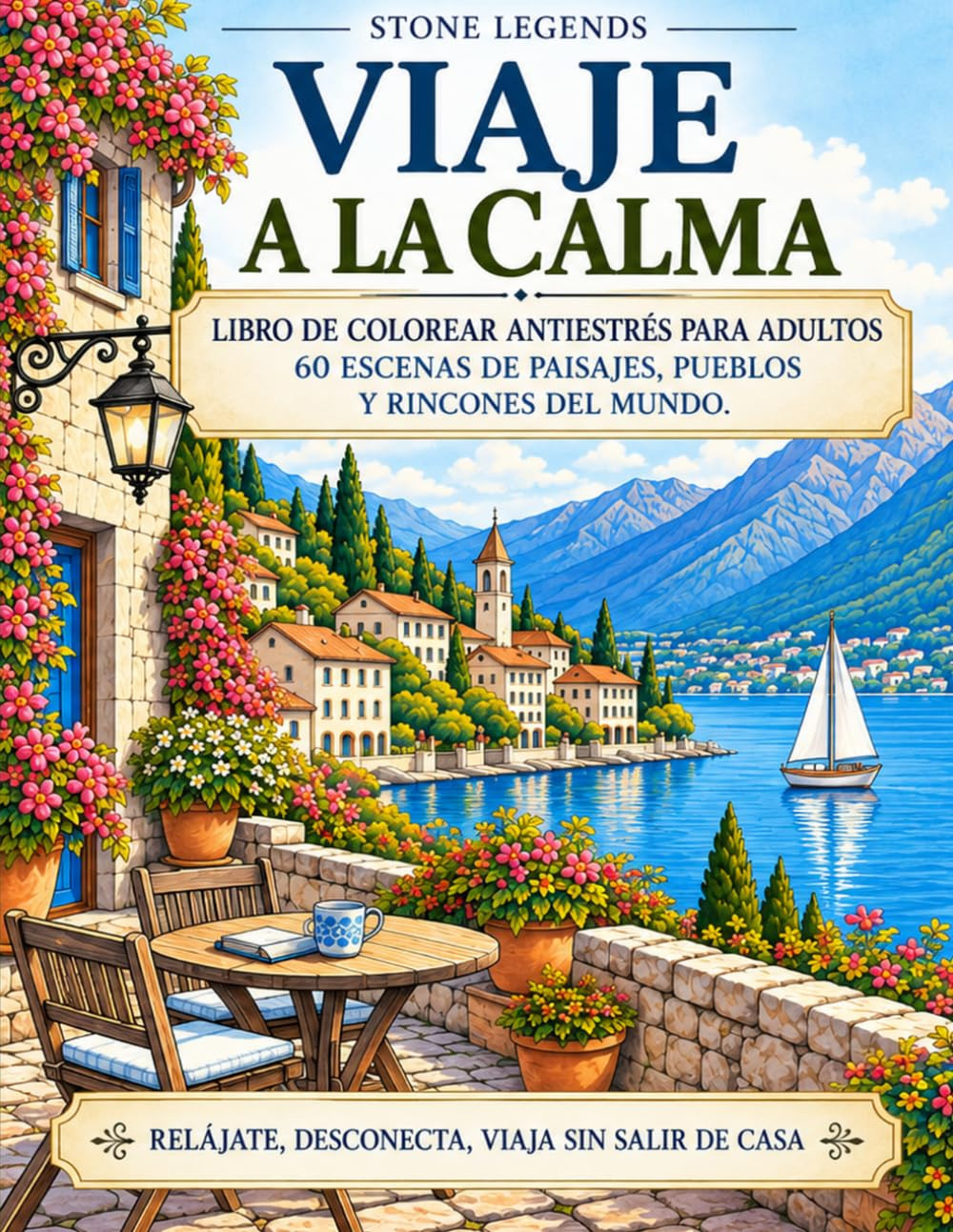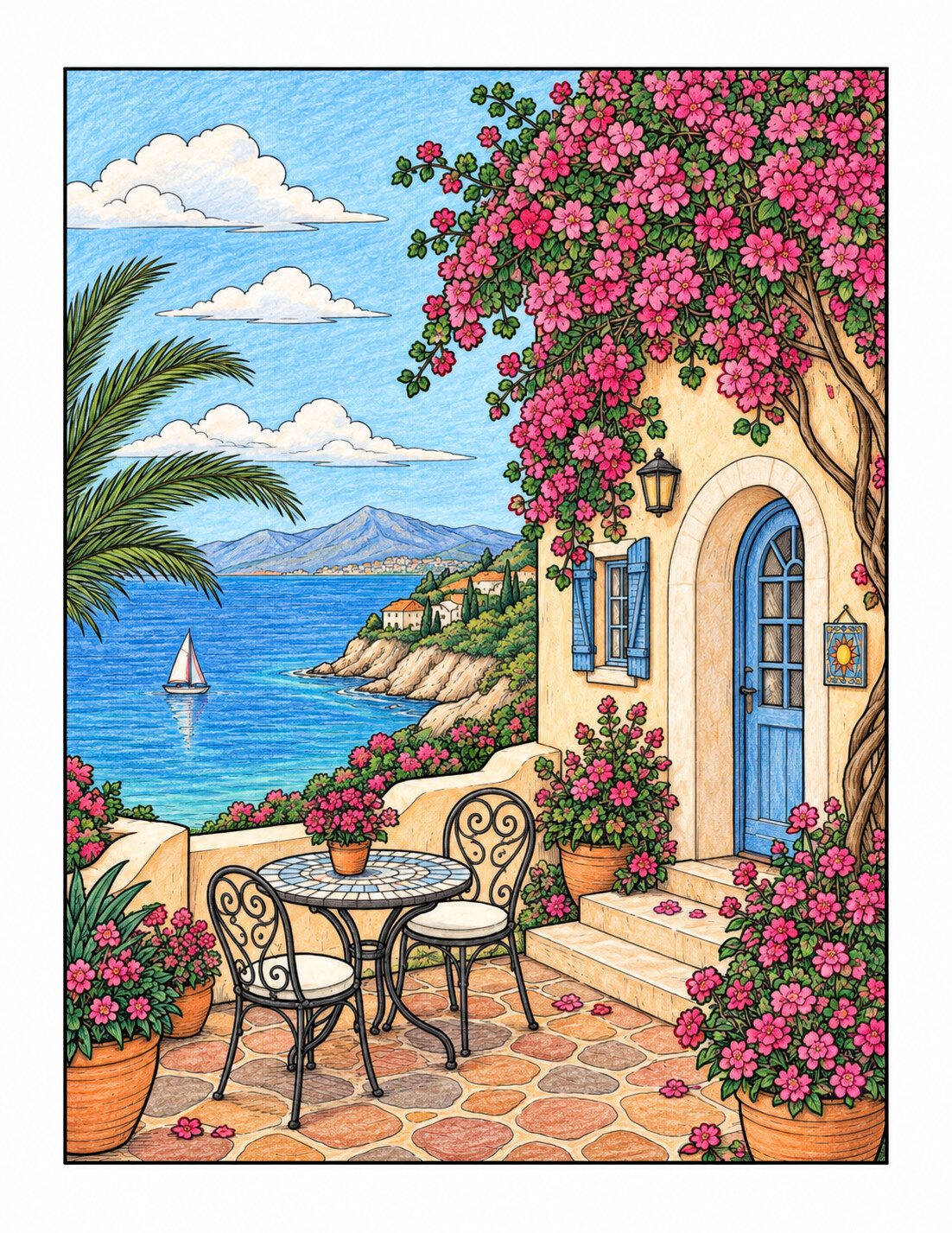
The responsible conclusion is not that colouring “cures” stress or anxiety. Current evidence suggests it may help some people temporarily reduce self-reported anxiety, improve mood and focus on a simple activity. Results vary with context, frequency and the individual.
1. Short-term reductions in anxiety
This is the most frequently observed outcome. In a randomised trial of 53 emergency-department patients with anxiety, those given an adult colouring pack reduced their mean anxiety score by 3.7 points after two hours, compared with 0.3 points in the control group. The study measured participants' reported anxiety; it did not demonstrate a clinical cure.
An earlier experiment induced anxiety in 84 students and then compared colouring a mandala, colouring a plaid pattern and free-form colouring. The two structured designs reduced anxiety more than unstructured colouring.
2. It may help before a stressful situation
A trial with 167 students compared mandala colouring, free drawing or colouring, and a non-colouring activity before a test. Both colouring groups reported reduced test anxiety, while anxiety increased in the control group. They also reported increased state mindfulness immediately after the activity.
3. Repeated practice may improve some measures
In a study of 104 female university students, participants were assigned to daily colouring or logic puzzles for one week. At the end, the colouring group showed lower anxiety and depressive-symptom scores. Equivalent improvements were not found across every measure, including resilience and mindfulness.
A later study followed 140 students completing six self-guided sessions of at least ten minutes over two weeks. Those completing the programme improved on measures of wellbeing, perceived stress, anxiety, depression and mindfulness. As a before-and-after intervention, it is encouraging but cannot by itself prove colouring caused every change.
4. A structured task may support focus
Choosing colours and filling defined spaces involves fewer decisions than starting with a blank page. Clear boundaries, repeated movements and visual attention may make it easier to remain with one task for a few minutes. This is a plausible explanation, not a single proven mechanism for every result.
5. Mandalas do not appear to be “magic”
A review and meta-analysis of eight studies with 578 participants did not find mandala colouring significantly better than free drawing for reducing state anxiety. Both activities could be calming. The benefit may therefore come from spending time on a focused creative activity rather than from one particular design.
What we should not promise
Most studies use small samples and specific groups, such as students or hospital patients. Outcomes often rely on self-report questionnaires and follow-up periods are short. Colouring alone has not been shown to treat an anxiety disorder, depression or another illness, nor are long-term effects established.
How to use colouring realistically
Set aside ten to twenty minutes, choose a page that does not feel overwhelming and limit your palette at first. You do not need to finish the drawing. The aim is to create a repeatable, enjoyable pause—not another obligation or a result to grade.
Sources and studies
- Randomised trial of therapeutic colouring and anxiety in the emergency department (2020).
- Curry and Kasser: structured colouring and anxiety reduction (2005).
- Mindfulness-based colouring and test anxiety (2019).
- Flett and colleagues: daily colouring, anxiety and depressive symptoms (2017).
- Two-week self-guided colouring and student wellbeing (2024).
- Review and meta-analysis of mandala colouring and anxiety (2022).